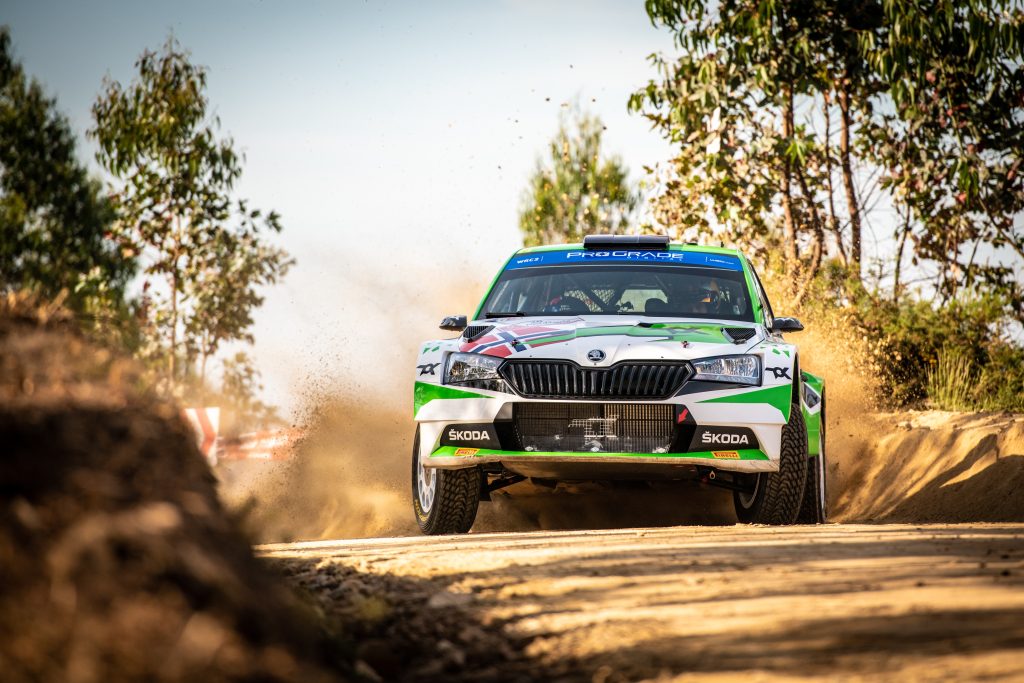
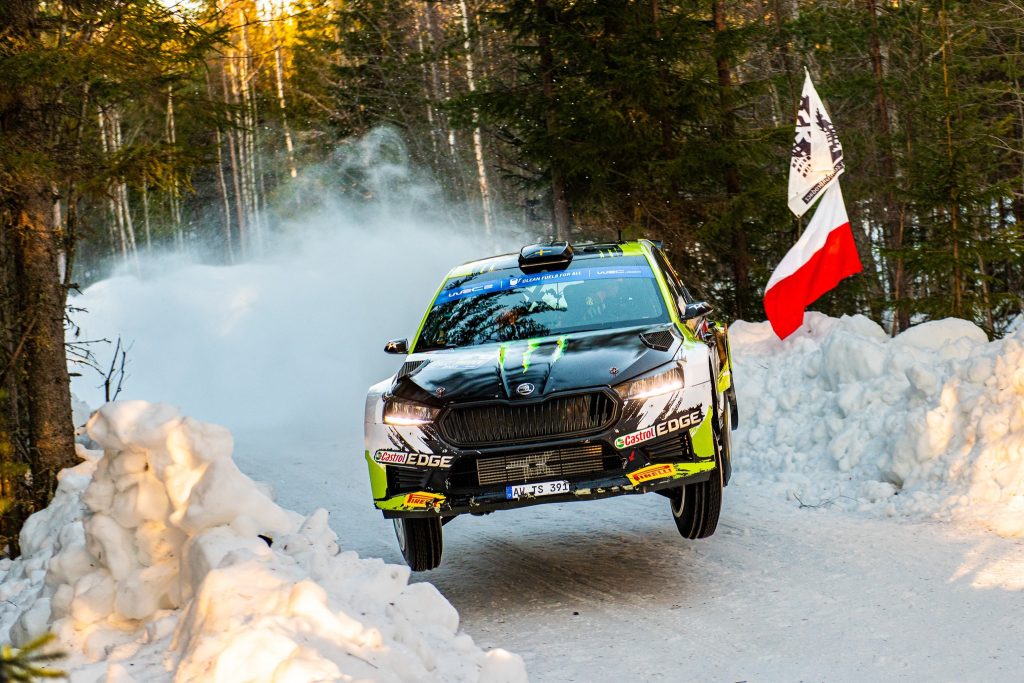
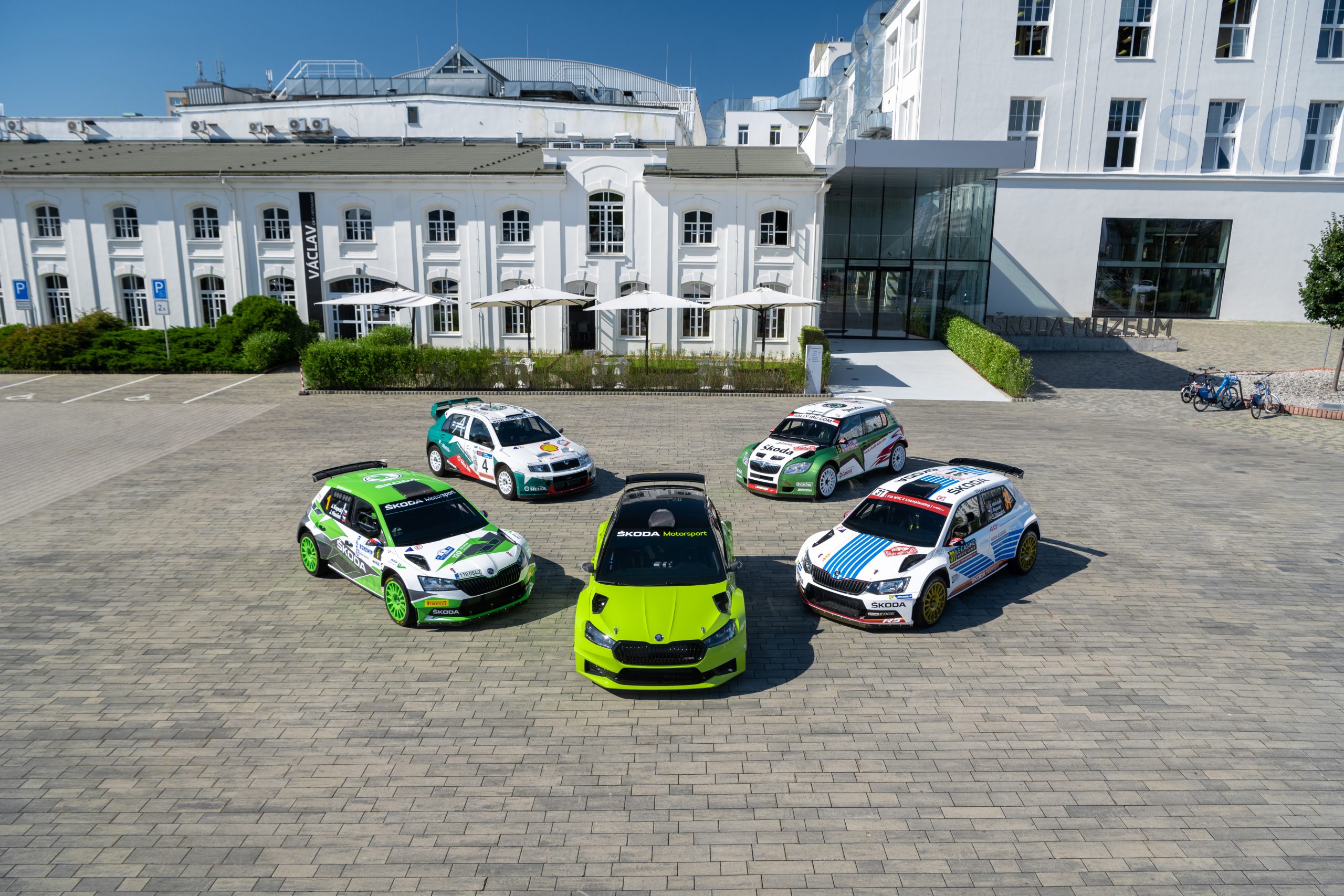
In 2024, Škoda Motorsport celebrates a milestone – 25 years of competing in the FIA World Rally Championship (WRC). From the rugged terrains of Monte Carlo to the dust-filled tracks of Safari Rally, Škoda’s journey in motorsport has been one of persistence, evolution, and outright success. Škoda’s motorsport roots stretch back to 1901, but its WRC debut in 1999 set the wheels in motion for a quarter-century of unforgettable moments and engineering marvels.
Let’s take a deep dive into Škoda’s legacy in the WRC, one that’s evolved through technological leaps, iconic drivers, and unforgettable races.
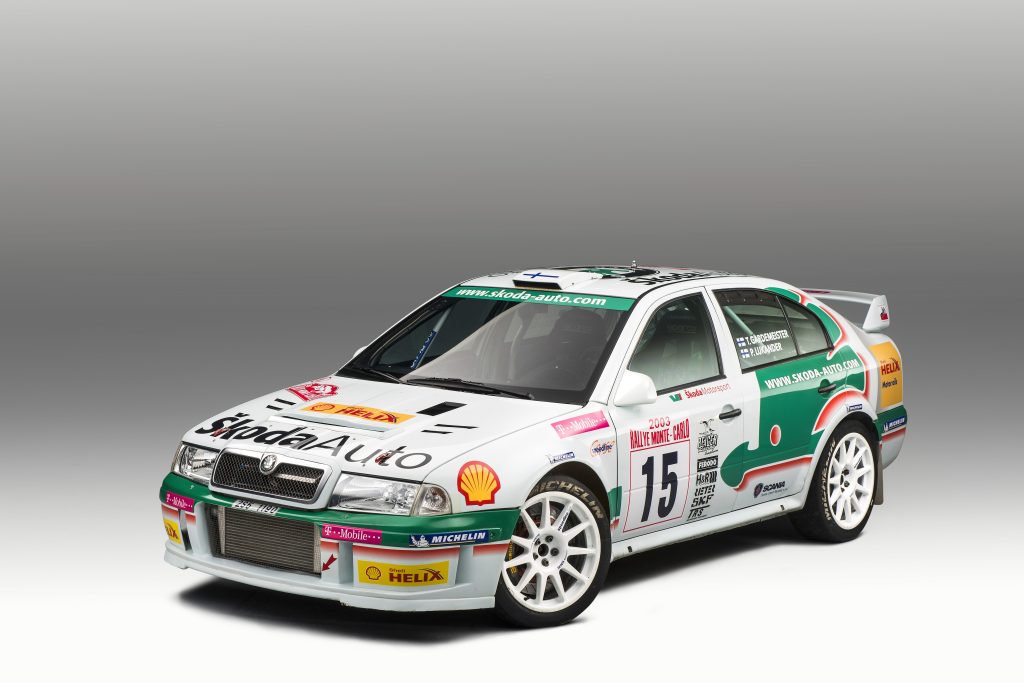
Octavia WRC – The Beginning of a Legacy (1999)
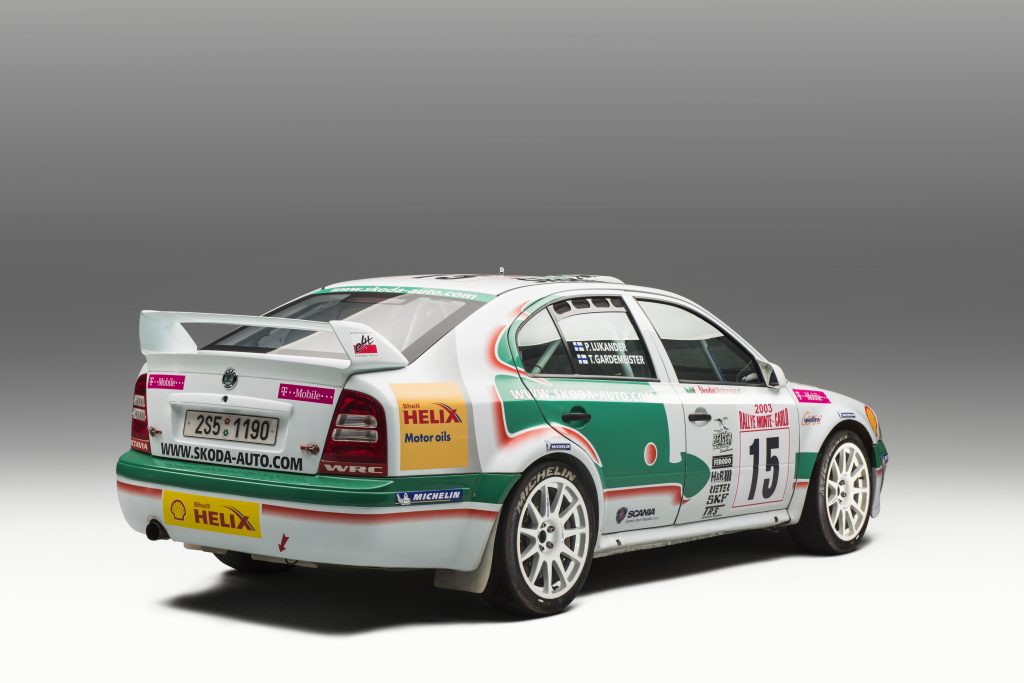
When Škoda unveiled the Octavia WRC at the 1999 Rallye Monte-Carlo, it wasn’t just another car – it was a bold statement. Armed with a turbocharged two-litre engine producing 300 hp and 600 Nm of torque, this machine was built to challenge the best. The Octavia WRC carried 1,230 kg of racing ambition and cutting-edge technology, and it wasn’t long before the results started to roll in.
By the end of its debut season, Belgian rally ace Bruno Thiry narrowly missed a podium finish at Rally GB, coming in fourth. In just one year, Škoda had gone from rookie to real contender. The Octavia WRC continued to race until 2003, its crowning moment being a third-place finish at the 2001 Safari Rally with Armin Schwarz at the wheel.
Fabia WRC – A New Challenger Emerges (2003)
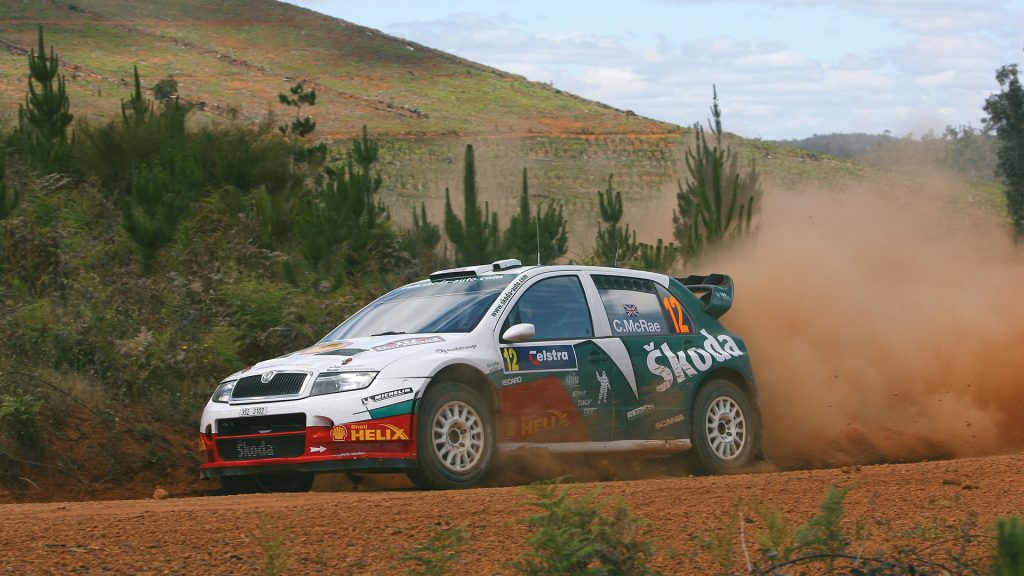
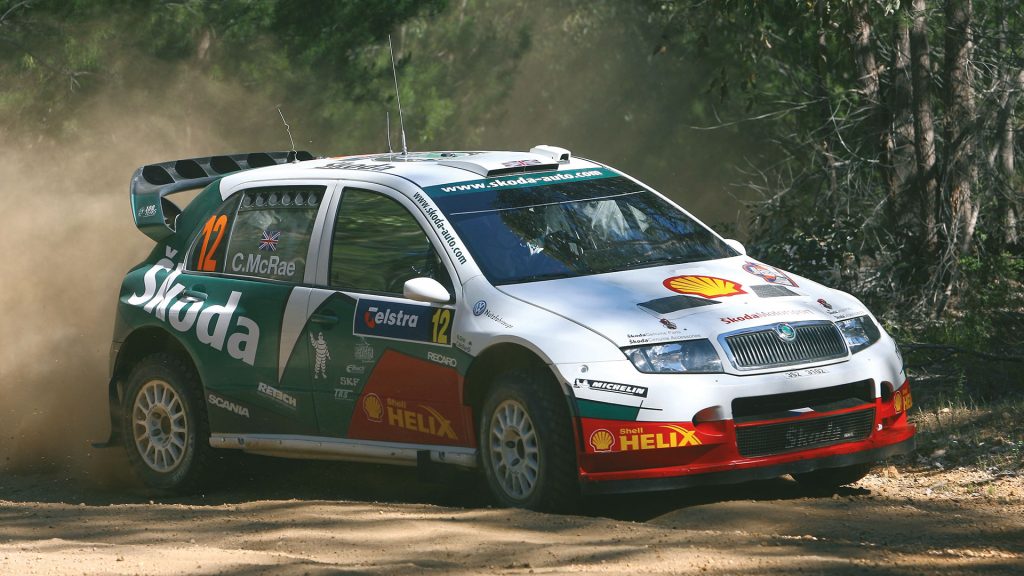
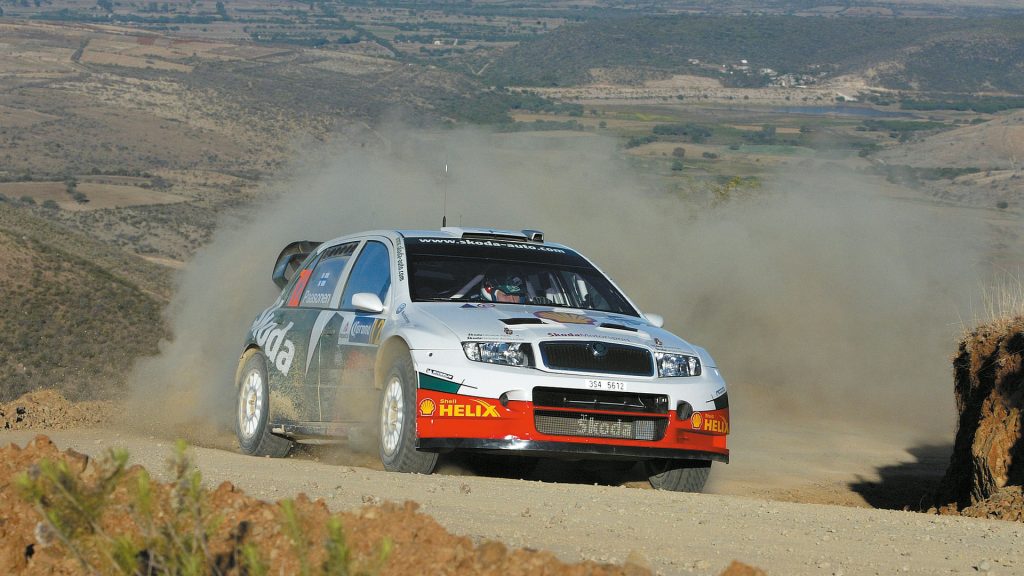
By 2003, it was time for Škoda to introduce a new weapon – the Fabia WRC. Taking over from the Octavia, the Fabia WRC hit the rally stages at Rally Germany and immediately made its presence known. The 300 hp Fabia WRC was more compact, more agile, and packed with advanced technology, including a sequential six-speed gearbox and McPherson suspension.
In 2005, none other than Colin McRae took the wheel of the Fabia WRC. Although a seventh-place finish at Wales Rally GB was respectable, it was at Rally Australia where McRae showed the car’s true potential. Running in second place, McRae’s performance was electric until a clutch issue forced him to retire. It was a testament to both the driver and the machine, proving the Fabia WRC could fight at the top. Despite Škoda’s factory withdrawal in 2005, private teams continued with factory support until 2007, keeping the Škoda flame alive.
Fabia S2000 – Dominance Redefined (2009)
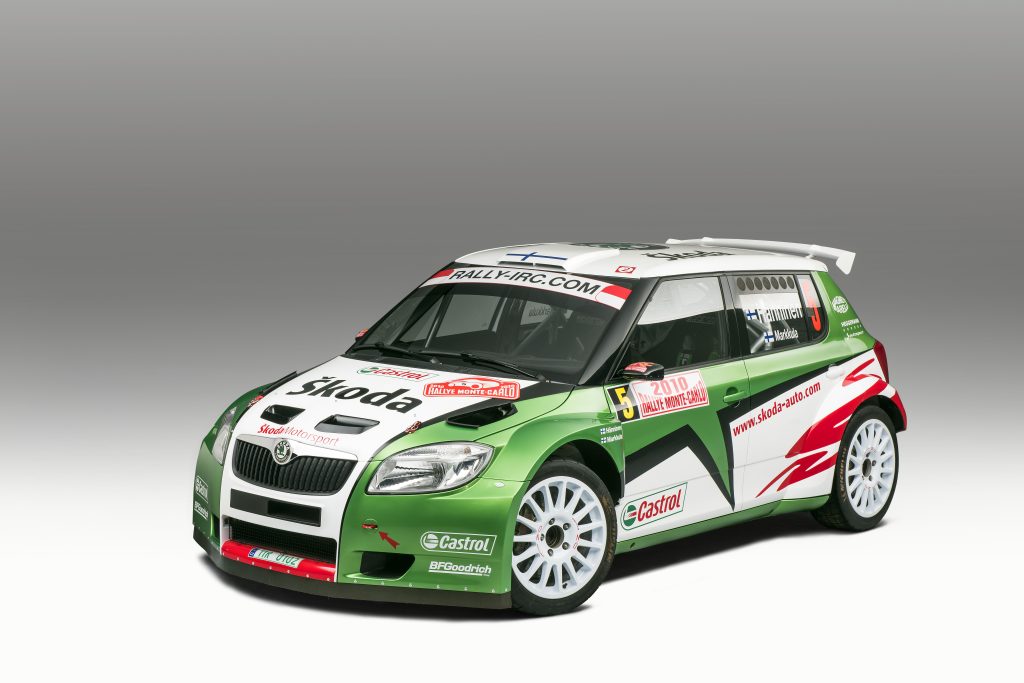
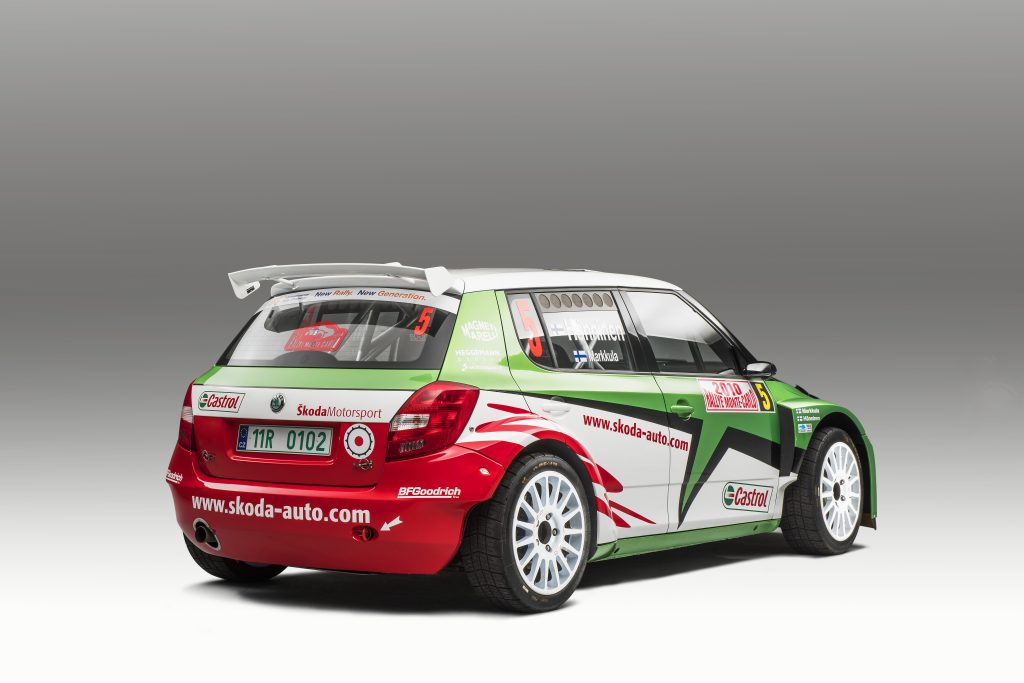
The 2009 introduction of the Fabia S2000 marked Škoda’s shift from WRC to the PWRC and Intercontinental Rally Challenge (IRC). Powered by a naturally aspirated 2.0-litre engine, the Fabia S2000 became a favorite among privateer teams, setting the stage for one of the most successful customer programs in rally history. With over 60 Fabia S2000s sold to teams around the world, Škoda Motorsport’s reach expanded far beyond just the factory team.
In terms of factory success, the Fabia S2000 delivered in spades. Finnish rally driver Juho Hänninen, alongside Jan Kopecký and Esapekka Lappi, notched up an impressive number of wins. Andreas Mikkelsen’s 2011 IRC drivers’ championship further solidified the Fabia S2000 as a force to be reckoned with.
Fabia R5 – Breaking All the Records (2015)
By 2015, the WRC had a new set of rules – the R5 category. Škoda’s answer to this was the Fabia R5, a car that would become synonymous with rallying dominance. With a 1.6-litre turbocharged engine delivering 282 hp, the Fabia R5 was built to win, and win it did. In just its first season, Škoda Motorsport took home the WRC2 Teams’ Championship and went on to claim the title for four consecutive years. Drivers like Jan Kopecký, Pontus Tidemand, and Kalle Rovanperä led the charge, bringing home numerous WRC2 drivers’ titles.
The Fabia R5 wasn’t just a car – it was an era. With more than 450 units sold, its success continued with the Fabia R5 Evo and the newly renamed Fabia Rally2 Evo, pushing the boundaries of what an R5 car could achieve. The results were staggering – numerous wins, podiums, and titles worldwide.
Fabia RS Rally2 – The Present and Future (2023)
As rallying technology evolved, so did Škoda Motorsport. In 2022, Škoda introduced the Fabia RS Rally2, a machine built with one goal: to dominate the Rally2 category. With a 1.6-litre turbocharged engine producing 289 hp, this car was engineered for both speed and durability. Advanced aerodynamics, improved safety features (like Kevlar and carbon-fiber protections), and enhanced performance underlined the Fabia RS Rally2’s credentials.
2023 saw Andreas Mikkelsen behind the wheel of the Fabia RS Rally2, clinching four victories and a third-place finish on his way to the WRC2 Drivers’ Championship. But that’s not all. Rallying legend Sébastien Loeb, a nine-time WRC champion, piloted a Škoda for the first time at the Azores Rallye, winning by a significant margin. This win further cemented Škoda’s place at the forefront of rally competition.
In 2024, the Fabia RS Rally2 has claimed 131 rally victories, 311 podiums, and over 1,000 stage wins across events worldwide – an unprecedented achievement in the world of Rally2.