

Colin McRae (August 5, 1968 – September 15, 2007), born in Lanark, Scotland, was a legendary figure in the world of rallying. Known for his fearless driving style and charismatic personality, McRae became synonymous with the sport, captivating fans worldwide with his daring exploits on the rally stages. His tragic death at the age of 39, in a helicopter crash near his home, alongside his 5-year-old son Johnny and two others, left the motorsport community in shock and mourning.
McRae’s path to rallying greatness was almost predestined. As the son of Jimmy McRae, a five-time British Rally Champion, Colin was introduced to the world of motorsport from a young age. Growing up in the McRae household, the roar of engines and the thrill of competition were part of everyday life. Yet, even with such a storied lineage, Colin carved out his own distinct identity in the sport, one that would elevate him to iconic status.
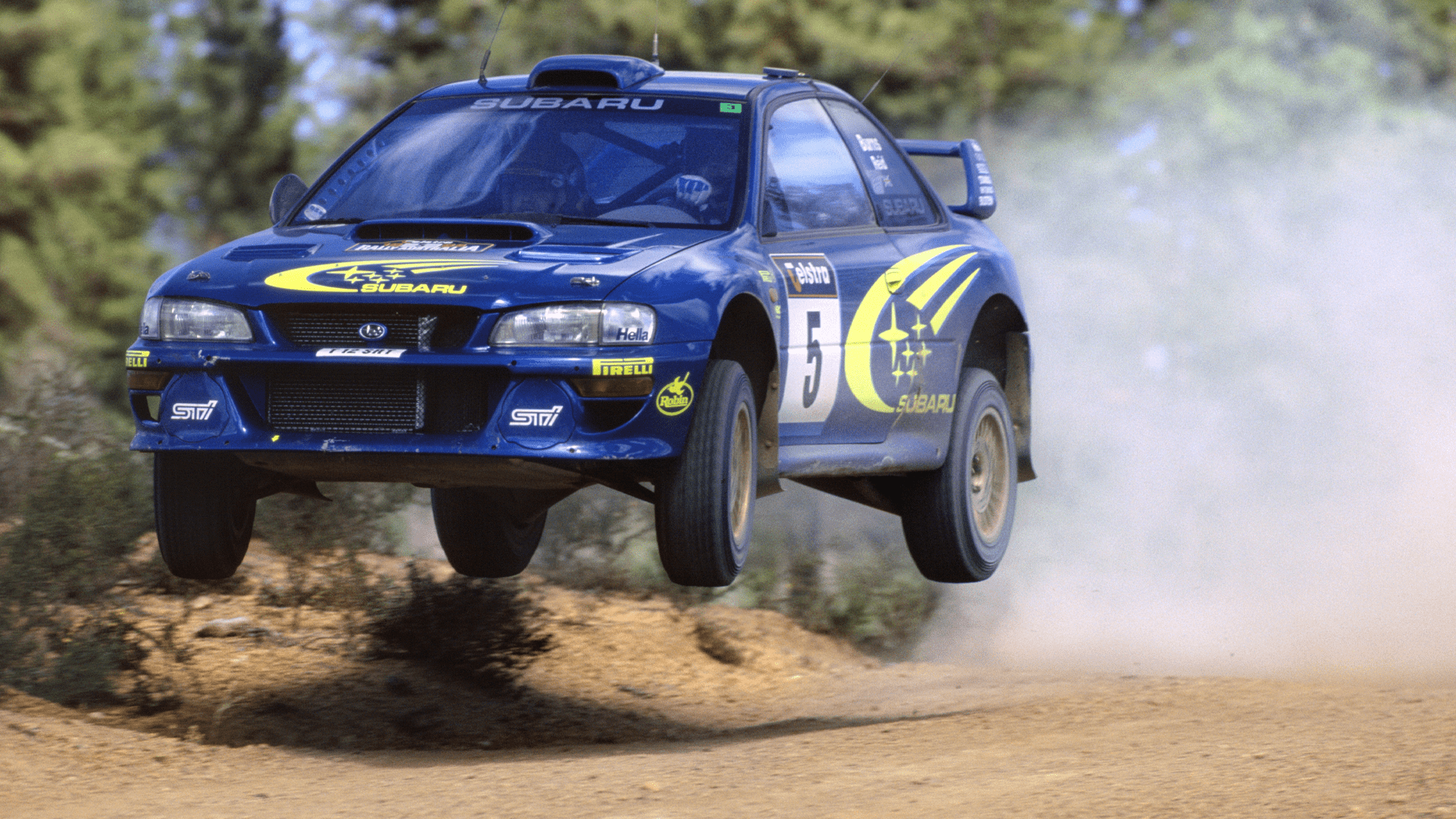
‘If in doubt, flat out’
His rallying journey began in earnest in 1986 when he first took the wheel of a Talbot Sunbeam. Competing in the Scottish Rally Championship, McRae quickly established himself as a force to be reckoned with, blending natural talent with a fearless approach that often left spectators in awe. His progression was swift, moving from a Vauxhall Nova to a Ford Sierra XR 4×4, and then to a Ford Sierra Cosworth, where he made his World Rally Championship (WRC) debut at the 1987 Swedish Rally.
The young Scot’s aggressive driving style was both his greatest strength and, at times, his Achilles’ heel. McRae was known for pushing the limits, often flirting with disaster, but this approach endeared him to fans and earned him a reputation as one of the most exciting drivers on the circuit. His fifth-place finish at the 1989 WRC New Zealand event was a harbinger of things to come.
In 1991, Prodrive Subaru recognized McRae’s potential and signed him to compete in the British Rally Championship. McRae didn’t disappoint, winning the championship in both 1991 and 1992. His partnership with Prodrive would go on to become one of the most celebrated in rallying history. In 1993, McRae secured his first WRC event victory at the Rally New Zealand, driving a Prodrive-built Subaru Legacy, a victory that marked the beginning of his ascent to the top of the sport.
The pinnacle of McRae’s career came in 1995 when he won the WRC Drivers’ title, becoming the first Briton to do so. His success brought Subaru World Rally Team top honors, with McRae leading the charge to secure the Manufacturers’ Championship in 1995, 1996, and 1997. His indomitable spirit and skill behind the wheel made him a household name, and his influence extended far beyond the rally stages.
1996 was a particularly momentous year for McRae, as he was awarded the MBE (Member of the British Empire) for his services to motorsport. This recognition cemented his status as not just a rallying hero but a national icon. His fame grew internationally, aided by the success of the “Colin McRae Rally” video game series, which introduced a new generation of fans to the thrill of rallying.
Despite his successes, McRae’s career was not without its challenges. In 1999, he joined the M-Sport Ford team, but his quest for another WRC title was hampered by reliability issues with the Ford Focus WRC. Although he narrowly missed out on the 2001 Drivers’ crown, his tenacity and determination never wavered. McRae later switched to Citroen in 2003, helping the team win the Manufacturers’ Championship, though personal success proved elusive.
The final years of McRae’s career were marked by a series of sporadic appearances in the WRC and other motorsport events. His return to the sport in 2005 with Skoda, driving the uncompetitive Fabia WRC, showcased his enduring love for rallying. Despite the limitations of the car, McRae’s skill and determination shone through, particularly at the WRC Australia Rally, where he fought hard to secure a strong position before mechanical issues forced his retirement.
McRae’s adventures weren’t confined to the WRC. He competed in the Paris to Dakar Rally, the Le Mans 24 Hour Race, the Race of Champions, and the X-Games, where his competitive spirit and showmanship continued to win him admirers. In 2006, McRae made a spectacular appearance at the X-Games in Los Angeles, flipping his Subaru Impreza and still managing to finish second—a performance that encapsulated his never-say-die attitude.
Even after stepping away from full-time rallying, McRae remained deeply connected to the sport and its community. His involvement in various events and his brief return to the WRC in 2006 as a replacement for Sébastien Loeb in the Kronos Citroen team demonstrated his enduring passion.
On September 15, 2007, the world lost one of its most beloved motorsport figures. The helicopter crash that claimed McRae’s life, along with that of his son Johnny and two family friends, was a heartbreaking end to a life that had been defined by speed, adventure, and a deep love for rallying.
Colin McRae’s legacy lives on, not just in the records he set or the titles he won, but in the spirit of the sport itself. His approach to rallying—bold, daring, and unrelenting—continues to inspire drivers and fans alike. He was more than just a champion; he was a true embodiment of the rallying ethos, and his influence will be felt for generations to come.
His legacy
McRae’s legacy in the WRC and beyond is one of profound impact, transcending the boundaries of the sport to become a symbol of resilience, passion, and daredevil spirit. In the WRC, McRae was not just another driver; he was a pioneer who helped bring the sport to mainstream attention. His 1995 championship win, which made him the first Briton to claim the title, was a watershed moment that highlighted the intensity and excitement of rallying. His aggressive driving style, often on the edge of control, captivated audiences and redefined what it meant to be a rally driver. McRae’s approach was as much about heart as it was about skill, and it resonated with fans who admired his fearless commitment.
Beyond his WRC achievements, McRae’s influence extended into popular culture. The “Colin McRae Rally” video game series, launched in 1998, introduced millions to the world of rallying. The games were praised for their realistic handling and immersive experience, making them a staple for motorsport enthusiasts. McRae’s name became synonymous with rallying not just on the stages but in living rooms around the world, helping to cultivate a new generation of fans and aspiring drivers. His involvement in various motorsport events, from the Paris-Dakar Rally to the X-Games, showcased his versatility and passion for competition, further solidifying his reputation as a motorsport icon.
McRae’s legacy is also deeply personal, as his attitude toward life and racing continues to inspire many. His motto, “If in doubt, flat out,” embodies a philosophy of living with courage and taking risks—a mindset that has been adopted by countless drivers and fans. Despite the dangers he faced on the rally stages, McRae’s love for the sport never wavered, and his tragic passing only served to amplify the impact he had on those who knew him and those who followed his career.
Today, Colin McRae is remembered not just as a champion but as a larger-than-life figure whose influence extends far beyond rallying. His name is synonymous with passion, skill, and determination—qualities that continue to inspire both within the motorsport world and in the lives of those who admired him. Whether it’s through the enduring popularity of the games that bear his name or the countless tributes from fans and fellow drivers, Colin McRae’s legacy is one of timeless inspiration.
Nationality: Scottish
Active years in Rallying: 1987–2006
Teams: Subaru, Citroen, Ford, Skoda
WRC rallies: 146
Championships won: 1 (1995)
Wins: 25
Podium finishes: 42
Stage wins: 477
Points: 626