
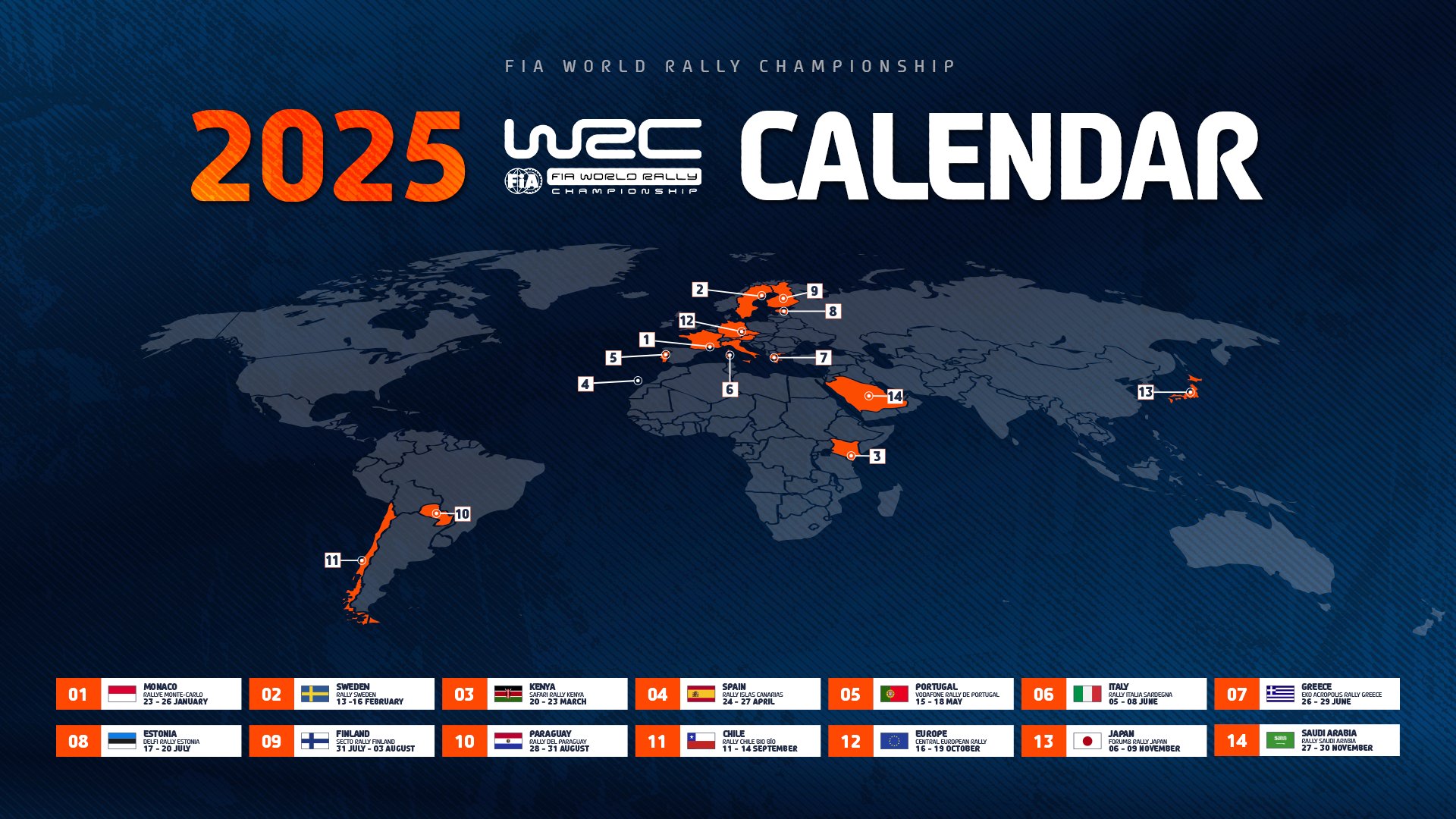
The countdown to the 2025 World Rally Championship (WRC) Safari Rally is officially underway, and Kenya’s Ministry of Sports is leaving no stone unturned. Slated for 20-23 March 2025, the event promises to reinforce Kenya’s standing in global motorsport and deliver significant economic benefits, according to Kenya’s Cabinet Secretary Kipchumba Murkomen.
Addressing sponsors and partners during a briefing on Friday, Murkomen outlined the government’s vision for the iconic rally: a world-class event that blends fan engagement, safety, sustainability, and economic impact.
The Safari Rally: A national treasure
“The Safari Rally has transcended sports to become a national heritage and a huge economic driver,” Murkomen declared, underscoring its pivotal role in showcasing Kenya to the world.
Returning to the WRC calendar in 2021 after a nearly two-decade hiatus, the Safari Rally has captured the imagination of motorsport fans globally. Its unique blend of challenging terrains and breathtaking scenery has made it a standout fixture on the WRC circuit.
Murkomen highlighted how this platform has boosted local businesses, from hospitality to logistics, making the event not just a sporting spectacle but an engine for economic growth. “Its return to the WRC calendar has provided us a unique platform to market our country to a global audience while significantly contributing to local businesses.”
Early preparations for a bigger impact
Unlike previous years, preparations for the 2025 Safari Rally began earlier, reflecting the Ministry’s ambitions to elevate the event further. Enhancements in fan experience and cost efficiency are central to this year’s planning.
The rally will feature 12 designated spectator zones, ensuring fans can enjoy the high-octane action safely. Meanwhile, the ceremonial flag-off has been relocated from the iconic Kenyatta International Conference Centre (KICC) to the bustling City Hall Way, incorporating “rally villages” to amplify the spectator experience.
Murkomen also lauded the critical role of sponsors and partners in elevating the rally to its current prominence. Their contributions, he noted, have helped the Safari Rally become one of the most-watched events on the WRC calendar.
A catalyst for economic growth
Sports Principal Secretary Engineer Peter Tum echoed Murkomen’s sentiments, emphasizing the rally’s economic significance.
“The WRC is not only a sporting activity in this country; it is an economic driver in its own right,” Tum remarked. He reassured Kenyans of the Ministry’s commitment to resource efficiency, aiming to lower costs while meeting international standards.
The economic ripple effects of the Safari Rally are undeniable. From creating jobs in tourism, transport, and hospitality to boosting local vendors and artisans, the event acts as a powerful catalyst for development. Tum encouraged Kenyans to seize these opportunities, emphasizing the Ministry’s focus on accountability and resource management.
A symbol of national pride
For Kenyans, the Safari Rally is more than just a motorsport event; it is a symbol of resilience, heritage, and progress. The government’s dedication to its success is a testament to the rally’s enduring legacy.
With the Ministry’s meticulous planning and the unwavering support of sponsors, Kenya is poised to deliver an unforgettable 2025 Safari Rally. As Murkomen aptly summarized, the event serves as “a platform to market our country to a global audience while significantly contributing to local businesses.”
As the engines rev and the countdown begins, all eyes will be on Kenya in March 2025, where the Safari Rally promises to deliver a spectacular display of speed, skill, and scenery—further cementing its status as the crown jewel of African motorsport.