Dear WRC,
You’ve got to embrace the craziness.
There was a time when motorsport was defined not just by speed and performance but by its character and audacity. Think back to Lord Hesketh in the 1970s and 80s. He ran his Formula 1 team like a rogue aristocrat’s playground, with lavish parties, champagne baths, and bizarre marketing stunts that worked magically for James Hunt. Those were the days when racing wasn’t just a sport – it was a lifestyle, a spectacle of glamour and recklessness that fans loved and embraced.
Today, the WRC feels different. Cleaner, sleeker, more polished – yes, but maybe too corporate. Red Bull used to be the epitome of cool, pushing boundaries with extreme sports and high-energy stunts, but now (in my opinion) it’s gone corporate, and the thrill has somewhat diminished. Understandable, sure; times change, and the business of motorsport evolves. Yet, what made rallying unique, that raw, primal, edge-of-your-seat exhilaration, has started to fade.
So here’s a suggestion: why not bring that sense of crazy back? Imagine the Colin McRae days – unpredictable, fearless, the ragtag bunch of teams doing whatever it took to compete, pushing their machines to the absolute limit. There’s something magical about that chaos, a spirit of rebelliousness that no other motorsport series captures quite like rallying could. It was a dynamic this series needs to rediscover, and what better time than now?
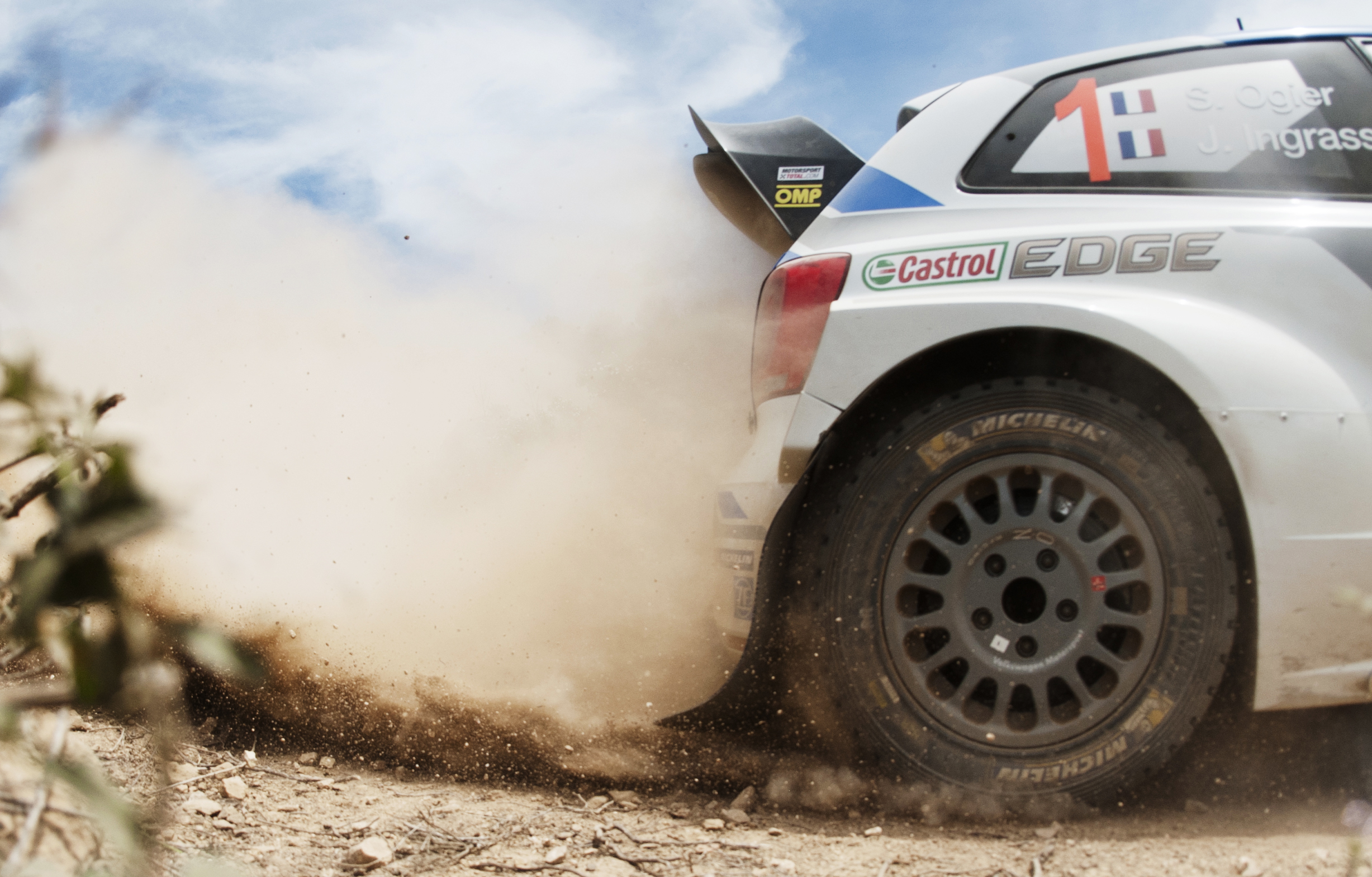
Let’s look at the current state of WRC. The cars are now hybrid and boasts the black art that is aerodynamics to extraordinary use, and that’s technologically amazing, no question about it. But something’s missing in the translation. While we’re breaking new ground with innovation, we need to make the entire spectacle more explosive, more energizing – reflective of the chaos that rallying embodies. This is not a sport for the faint of heart. Rallying is about survival against the elements, against time, against mechanical failure – against everything, really.
At the moment, the teams feel like they’re playing it too safe. Hyundai, for example, comes across as too Germanic (I know it is a Korean brand), too calculated, too corporate. Sure, Thierry Neuville and his teammates can make the car dance on gravel, but where’s the edge, the daring approach to marketing and engagement? Even Toyota, despite its deep-rooted Japanese heritage and impressive rally pedigree, sticks to a formula that feels restrained. The excitement is still there on the stages, but off the stages, the narrative needs more color, more punch.
We need a modern-day Lord Hesketh spirit in WRC. Someone willing to take risks, break the mold, and reinvent the storytelling of rallying. Why? Because WRC can’t continue along this corporatised, highly polished path. It needs to be fun, exciting, and – above all – crazy again. Think of the wild colours of the 80s Group B era, or the audacity of drivers like Sébastien Loeb, who won nine championships in a row, and yet remained relatable with a certain “I’ll just have a go” attitude.
When you see the drivers at stage ends, they’re hopped up on adrenaline, veins bulging in their heads and necks, eyes wide open like they’ve just escaped a near-death experience. This is the purest form of adrenaline sport – yet, that intensity isn’t being marketed to its fullest potential. The sport’s identity is diluted, restrained in a bid to be more professional, more mainstream. But here’s the catch: rally fans don’t want mainstream. They want the edges, the rough patches, the barely controlled chaos that makes rallying special.
And it’s not just the drivers. The mechanics, the support crews, the entire rally circus is unique. Think of remote services, where a crew has 15 minutes to fix whatever’s wrong with the car – using only what’s in the back of a van. It’s brilliant and bonkers, and it’s these elements that need to be highlighted more. We need to show the world that rally is a sport of ingenuity, raw talent, and wild determination.
Look at what the FIA World Endurance Championship (WEC) is doing with their LMH and LMDh programs. They’re injecting new life into endurance racing with cars that look like they’ve stepped out of a sci-fi film, pushing manufacturers to embrace experimental technology while still maintaining that racing spirit. Even Formula 1, with all its politicking and bureaucracy, has managed to capture the imagination of a new generation with shows like ‘Drive to Survive.’
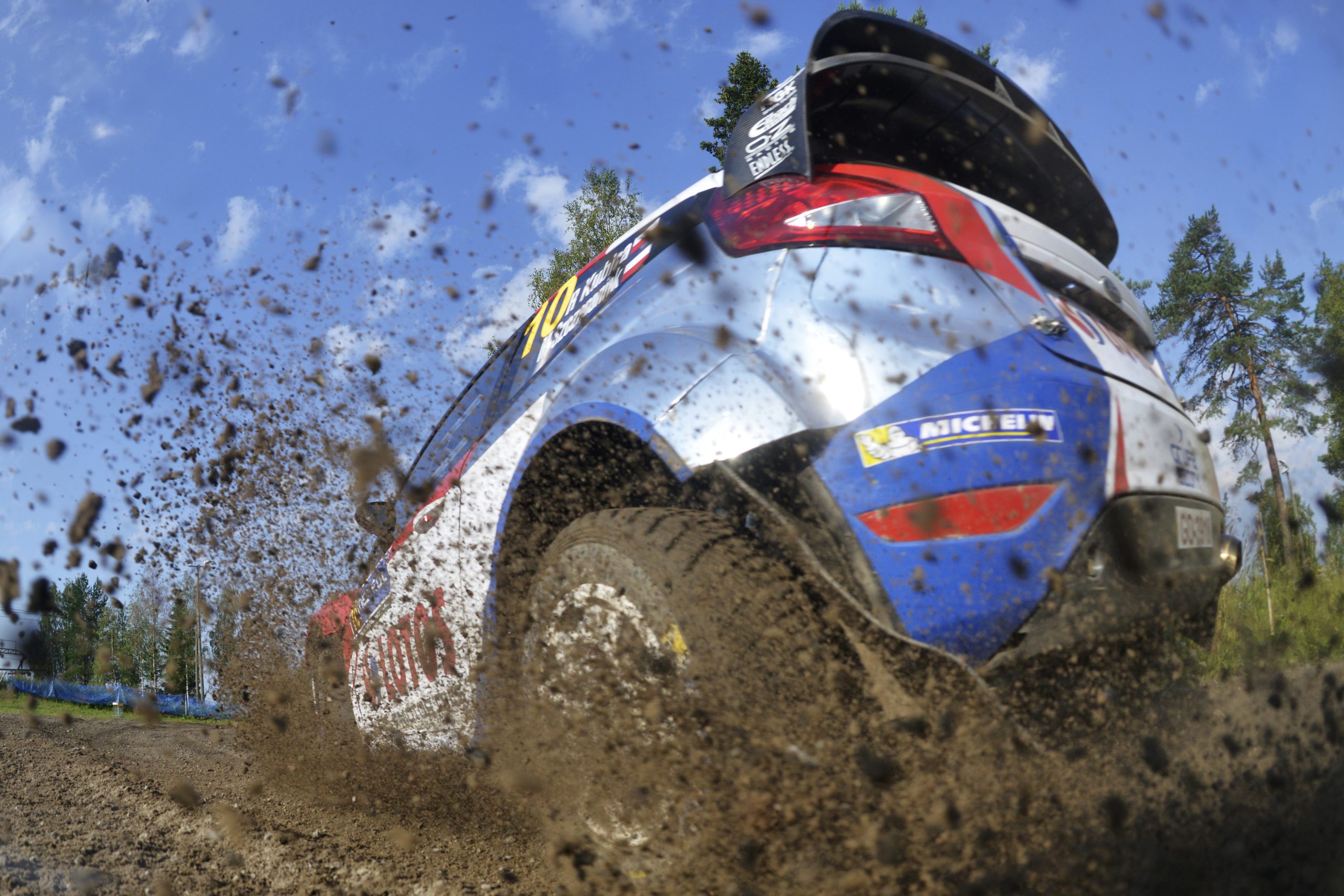
Meanwhile, rallying has all the elements for a similar resurgence but needs to harness it differently. WRC can’t just rely on nostalgia for the Group B era or the heyday of Colin McRae. It needs to create its new story – one that’s centered around the sheer madness and human grit that defines the sport. The unpredictability needs to be celebrated, not hidden behind a façade of professionalism.
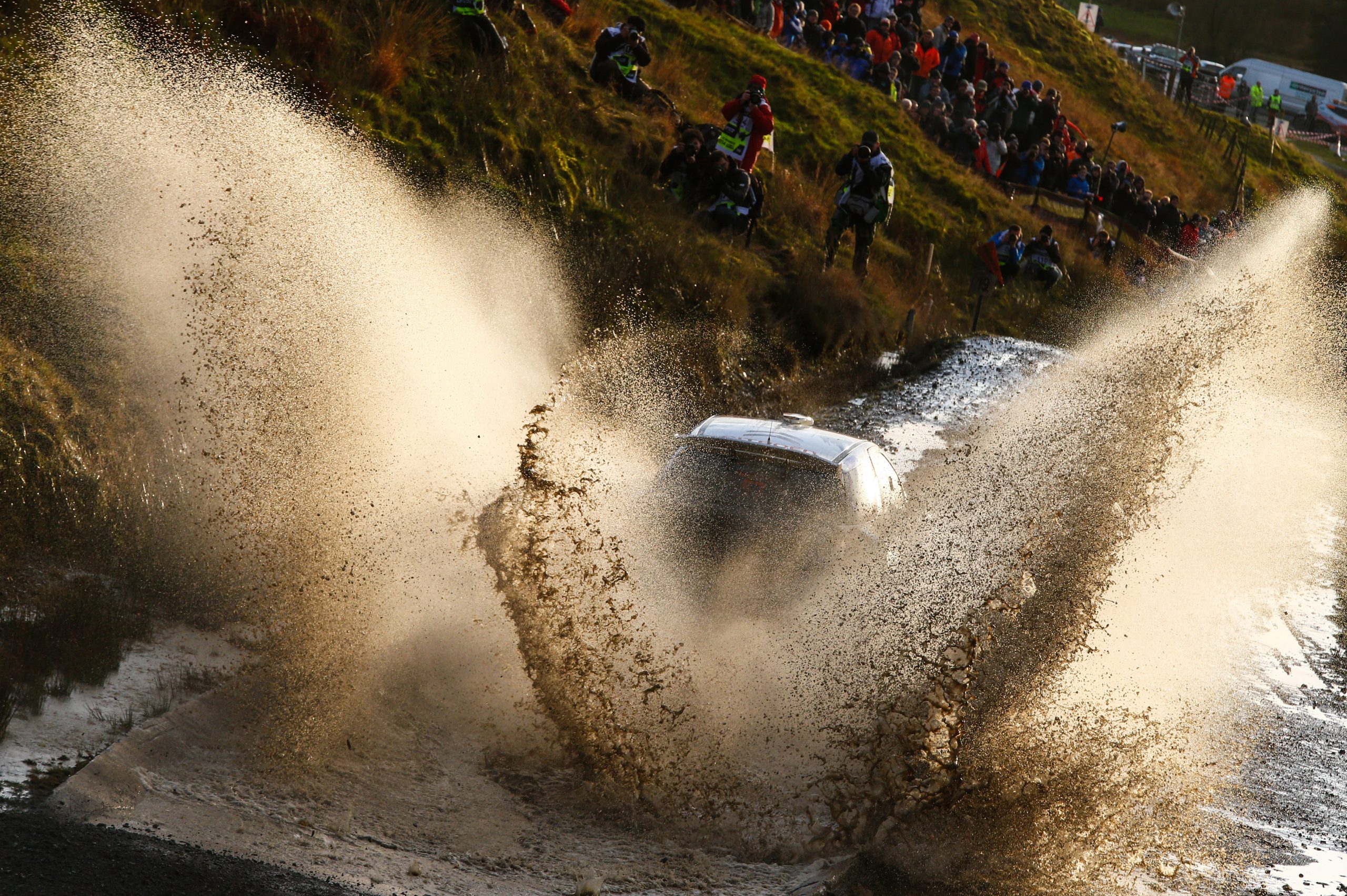
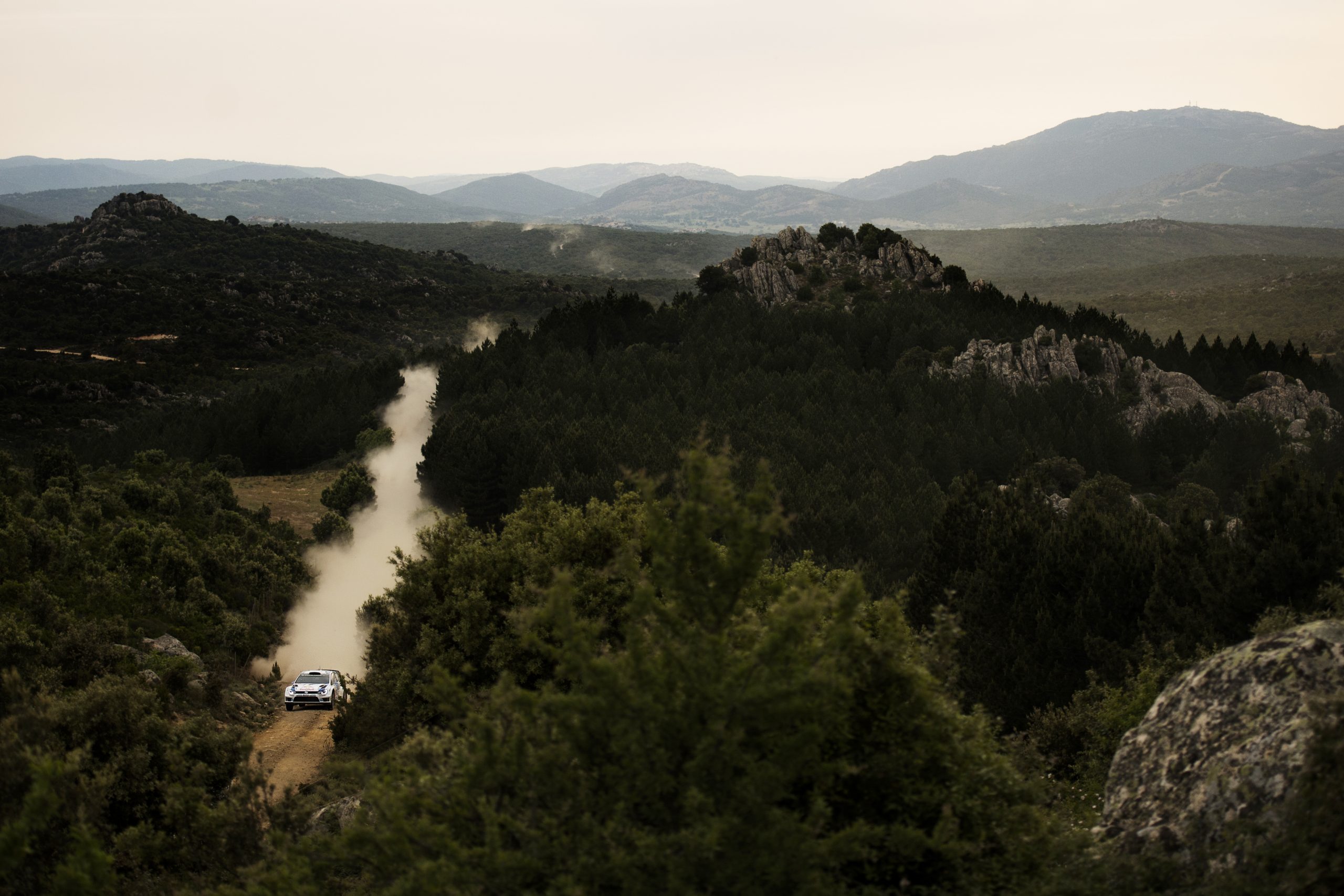
Sure, safety is paramount, and I’m not advocating a return to the unbridled danger of the Group B days. But there’s a middle ground. Rallying is the one motorsport discipline where drivers and cars are truly tested to their limits. Imagine a more aggressive narrative, one that showcases the sport’s untamed nature. The treacherous terrains, the torrential downpours, the rocky outcrops – these aren’t just obstacles, they’re character-building features of the sport. Let’s see more of that.
We’ve got to show more of the drivers’ personalities, too. Sébastien Ogier, Kalle Rovanperä, Ott Tänak – they’re more than just racers. They’re gladiators in a modern-day Colosseum. Off-camera, they’re passionate, intense, and competitive to a fault. Let’s bring that out. Let’s show more of the banter, the rivalries, the frustrations, and the euphoria. The world needs to see that these aren’t just drivers – they’re heroes.
We need that injection of colour, unpredictability, and verve in the sport. Look at Group B again – it wasn’t just about the cars being untameable beasts; it was the entire package. Lancia, Audi, Peugeot – they all did things differently. One might show up with a double rear wing; another with an engine configuration that defied logic. It was madness, and people loved it.
That’s what I miss in today’s WRC. The cars are amazing, but they’re homogenized. The teams are brilliant, but they’re constrained. We need to break free from that mold, to embrace the craziness that rallying once had. Imagine a rally season where teams are encouraged to push boundaries again—not just on the stages but in every aspect of the sport.
You know what rallying has that no other motorsport does? The sheer unpredictability. A WRC event isn’t like a circuit race where you can predict lap times to the thousandth of a second. No, in rallying, you could be leading by a minute, hit a rogue boulder, and end up losing the entire event. That’s the kind of drama, the high stakes that should be at the forefront of every WRC marketing campaign.
And it’s not just about the machinery and technology. The fans – the die-hard, mud-soaked, banner-waving enthusiasts – are what make rallying extraordinary. These are people who will trek for miles in harsh weather conditions just to catch a glimpse of their favorite driver navigating a hairpin turn at breakneck speed. Where’s their story? Where’s the spotlight on that fervor and dedication?
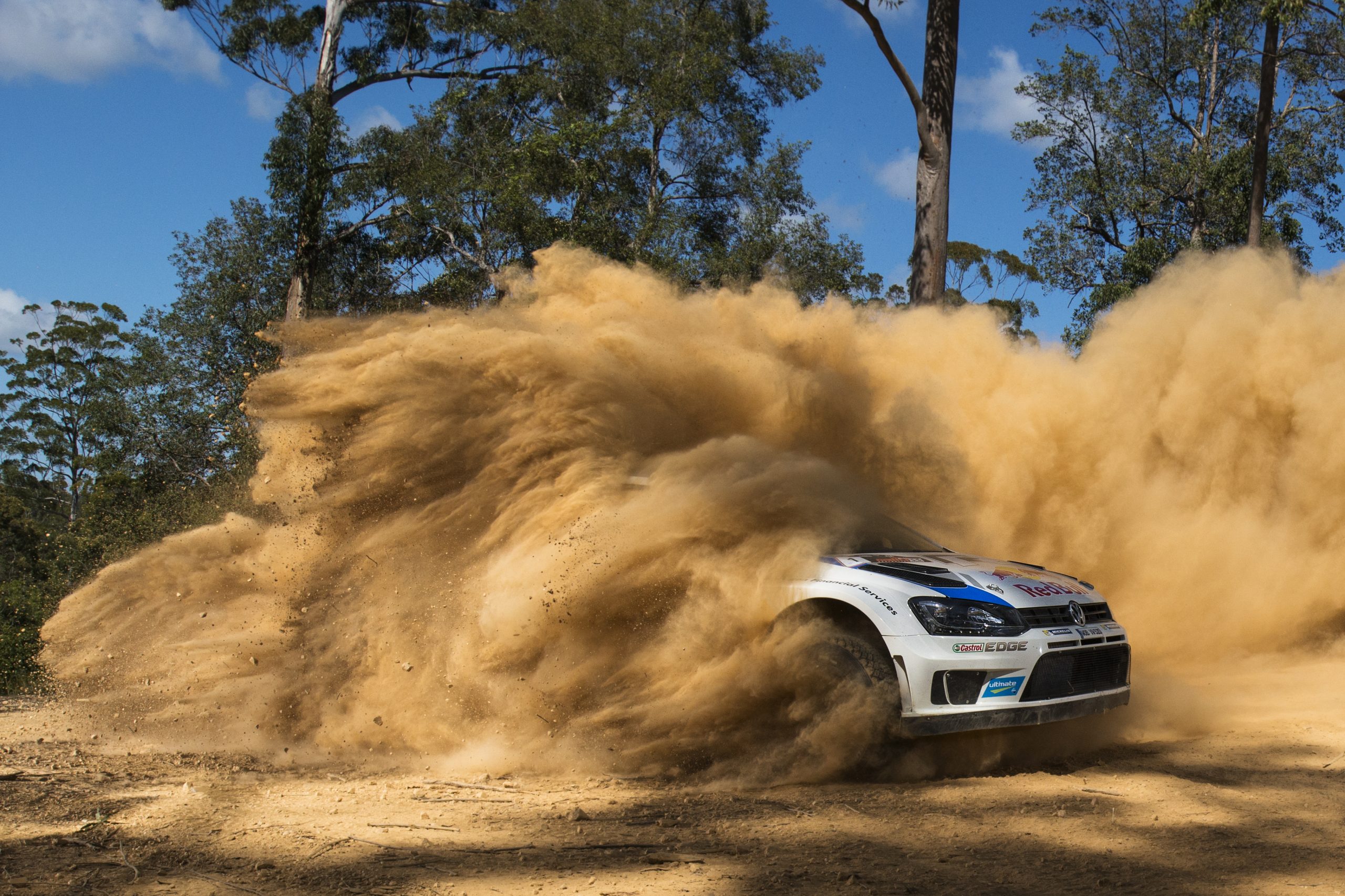
So, how do we do it? How can we bring the craziness back to WRC without sacrificing safety or professionalism? Here are a few ideas to get the conversation started:
1. Introduce More Extreme and Unconventional Stage Designs:
Create stages that are a throwback to the more unpredictable days of rallying, with tougher terrains, narrow roads, and challenging natural obstacles – within reason. Think high-altitude stages like the old Acropolis Rally or winding cliffside roads reminiscent of the legendary Sanremo Rally. These stages should test not just the speed but the survival instincts of the drivers, showcasing their skill in navigating uncharted and risky territories.
2. Reduce Homogeneity in Car Specifications [CONTROVERSIAL]:
While maintaining safety regulations, consider allowing for more technical innovation and freedom in car designs. Encourage manufacturers to experiment with unique configurations, drivetrain setups, or hybrid technology applications that break away from the conventional approach. This could result in more distinctive vehicle performance on different surfaces, making each car a wildcard in the competition.
3. Increase the Number of Night Stages:
Night stages are inherently more dramatic and challenging for drivers, requiring intense focus and skill. Reintroducing more of these stages would increase the risk factor and make for a visually stunning spectacle for fans. Watching cars with headlights blazing through dark forests or snowy landscapes would bring back the adrenaline-fueled energy that’s missing.
4. Highlight Drivers’ Personalities and Rivalries:
Promote drivers as characters and gladiators of the sport. Give them more freedom to express themselves, show their emotions, and engage with fans outside of their professional personas. Create storylines that emphasize rivalries, both historical and current, to build a narrative that fans can get invested in. Similar to what Drive to Survive did for Formula 1, showcase the off-stage battles, struggles, and raw passion of the competitors.
5. Encourage More Unique Marketing Stunts and Promotions:
Bring back a touch of the outrageous by allowing teams to stage daring marketing stunts or special car liveries. For example, a team could create a special edition car livery themed around a local culture for each rally location, or stage a promotional video where the rally car navigates through non-race environments like city streets or iconic landmarks. This would generate buzz and engage new audiences.
6. Introduce an All-Stars/Legends Rally Event:
Organise a one-off special event that brings back legendary drivers and iconic rally cars for a non-championship, all-or-nothing weekend. This event could feature modified Group B cars, classic drivers like Marcus Grönholm or Tommi Mäkinen, and current stars in equal machinery. It would be a celebration of rally history, a spectacle of skill and bravery, and a nostalgia trip that draws attention back to the roots of the sport.
7. Create ‘Fan-Designed’ Special Stages:
Engage the fanbase by allowing them to vote on or even design specific sections of rally stages for one event each year. Fans could choose particularly risky or interesting routes, terrain types, or even obstacles. This participatory approach would not only make fans feel more connected but could also introduce unexpected elements that challenge drivers and teams in new ways.
8. Revitalize Remote Service Parks [CONTROVERSIAL]:
Increase the drama and visibility around remote service parks. Add a time-based element where mechanics have only a limited window to diagnose and fix any issues, with penalties for exceeding time limits. Capture this on live broadcasts with commentary, showcasing the sheer ingenuity and skill of these mechanics under immense pressure.
9. Develop a Dynamic and Unpredictable Points System [CONTROVERSIAL]:
Implement a points system that incentivizes taking risks. For example, award additional points for the most stage wins or the fastest split times. This would push drivers to go beyond merely managing their positions for overall standings, encouraging them to drive flat out and take more chances.
10. Create an Annual ‘Wildcard’ Stage:
Introduce a stage every season that’s unknown to teams and drivers until the day of the event. This could be a unique, specially-designed stage with its own set of rules and challenges. Teams would have no prior data or reconnaissance, making it a true wildcard where anything can happen.
Embracing the craziness doesn’t mean reverting to a dangerous past but rather enhancing the sport’s intensity and appeal in creative, safe, and engaging ways. Rallying is the ultimate test of driver and machine, and it’s time the sport remembers its wild roots and shows the world just how thrilling, daring, and unpredictable it can be.
WRC, you’ve got a gem of a sport. But to truly shine again, it’s time to let loose. To embrace the chaos. To make rallying what it once was: a thrilling, unpredictable, rollercoaster ride of a sport that’s not just watched but felt by everyone involved. Because in the end, rallying isn’t about being the fastest; it’s about surviving the madness and coming out victorious on the other side.
Yours sincerely,
A Rally Fan Who Misses the Craziness