
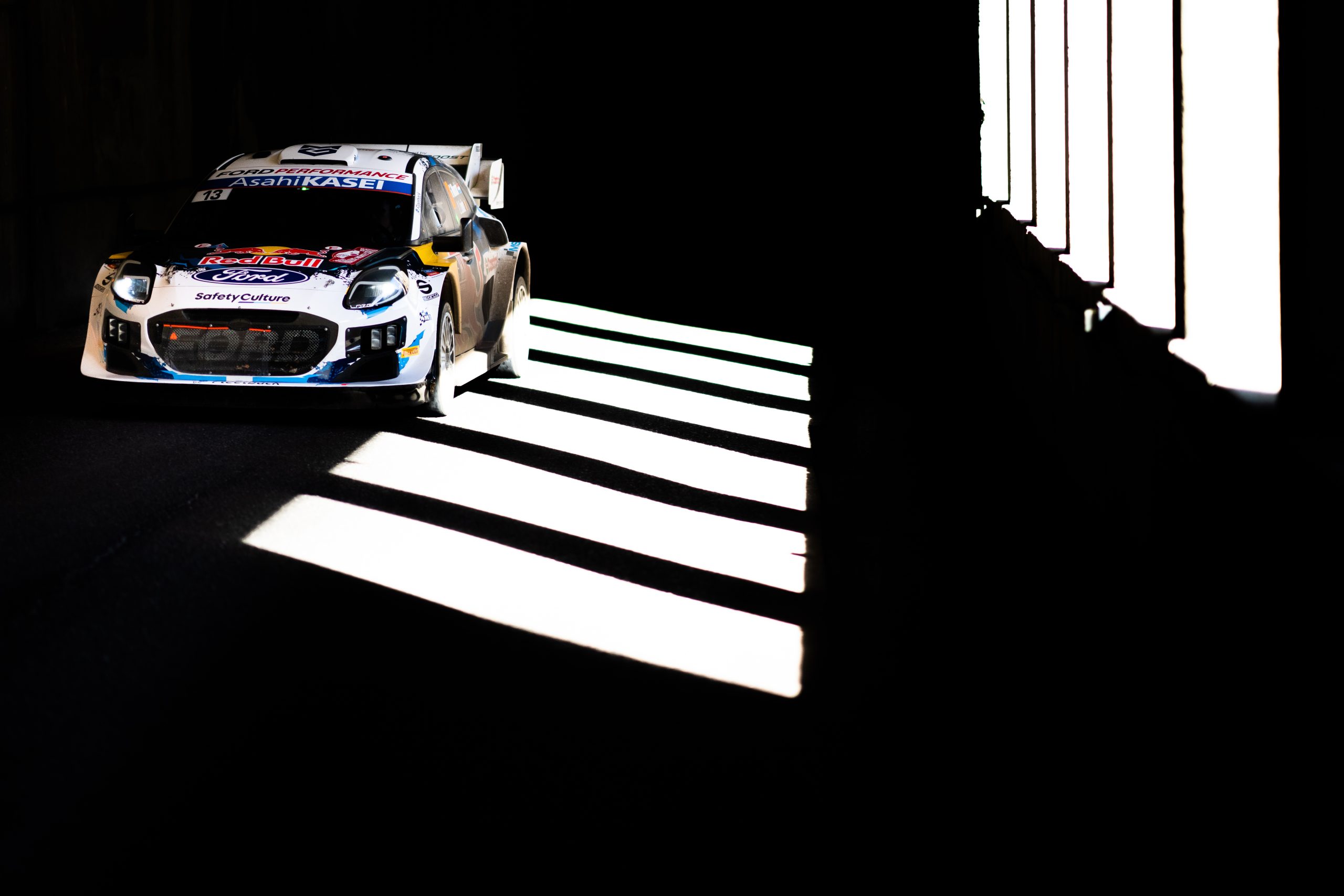
The World Rally Championship (WRC) Central European Rally stands out as an exceptional event, spanning three countries – Czech Republic, Austria, and Germany – and challenging participants and organizers alike with its ambitious logistics, reports SVG Europe. The rally kicks off in Prague and concludes with an awards ceremony in Passau, Germany, covering nearly 1,600 kilometers including over 300 kilometers of grueling special stages.
The logistics behind broadcasting such an event are formidable. As the rally weaves through borders from 17-20 October 2024, the central production hub is stationed in Germany, yet the technical support stretches across each participating country, coordinated by WRC’s technical partner, NEP Finland.
This year marks the second iteration of this cross-border spectacle. Florian Ruth, WRC Promoter’s senior director of content and communication, explains that such an event draws significant attention due to the enthusiastic rally communities in the Czech Republic, Austria, and Germany. To leverage this, WRC has intensified its engagement efforts, including a series of fan activations and leveraging popular figures like cyclist Mark Cavendish to widen its appeal.
However, Ruth doesn’t shy away from acknowledging the daunting nature of the logistics involved, likening it to a logistical “nightmare.” Unlike simpler setups where activities are confined within single national borders, this rally requires navigating the complexities of multiple jurisdictions, from varied flight operation rules to different network regulations, making the organizational demands particularly intense.
To manage these challenges, WRC has introduced an innovative on-site production strategy utilizing the iOB Gallery truck – a mobile production unit debuted at IBC 2023 and designed specifically for such demanding scenarios. This setup allows for a hybrid production model where some events are managed remotely from Helsinki, while others, like the Central European Rally, necessitate an on-site presence.
The rally not only tests the limits of its participants but also the capabilities of the WRC’s production team. As they deal with unpredictable elements like weather and varied terrain, the on-site production becomes crucial to adapt swiftly to any arising complications.
As the WRC season progresses, the focus will soon shift to the final event in Japan, where the challenges differ but the commitment to delivering high-quality broadcasting remains unchanged. In Japan, the rally will be produced remotely, but the essence of direct engagement and overcoming environmental challenges will still play a central role in how the event unfolds.
The Central European Rally, with its intricate blend of sportsmanship and high-tech broadcasting logistics, not only highlights the complexities inherent in such international events but also underscores the innovative spirit that the World Rally Championship embodies.